TV Can No Longer Be Overlooked in Media Plans for 2026
A version of this was originally featured on Adweek
Advertisers are entering 2026 with a slightly stronger level of optimism after several years dominated by economic unpredictability and tightening budgets. Rather than bracing for cuts, many teams are now planning for growth, driven by a steadier economic outlook and confidence in marketing channels that will capture attention and drive measurable performance.
As advertising budgets get earmarked for the new year, the conversation has shifted from how much to spend to where to spend. Digital marketing remains the backbone of nearly every growth strategy, not simply because it scales, but because it aligns with how consumers now discover, evaluate, and engage with brands. Search and AI platforms (from Google to Gemini) capture intent in the moment, while social shapes awareness and preference earlier in the journey.
In 2026, advertisers expect these channels to work together more tightly than ever. Rather than optimizing in silos, brands are building interconnected media systems designed to follow the consumer across touchpoints, from passive discovery to active consideration to conversion. That shift reflects changing consumer behavior: fragmented attention, non-linear paths to purchase, and constant movement between screens. Marketing plans are evolving to meet customers wherever they are, not force them down a single path.
But even as platforms like TikTok and YouTube dominate daily interactions, consumers continue to spend the majority of their time with premium, long-form content on the largest screen in the house: television.
Not surprisingly, as streaming TV continues to see YOY growth in viewership, advertisers are increasingly allocating dollars here, accounting for 40% of overall TV ad spend. By 2027, streaming ad spend is expected to surpass traditional linear TV. The shift is also reflected in prices, where CPMs are expected to be slightly elevated vs. prior years. Linear, which still accounts for two-thirds of overall U.S. TV ad spend, is expected to also see a small upward shift in pricing.
Even for marketers who don’t currently consider TV part of their media mix, this shift matters. As digital channels become more crowded and performance efficiency harder to sustain, TV is increasingly being evaluated not as a standalone channel, but as a channel that is playing a pivotal role in amplifying other channels like search and social, and even helping to drive in-store retail sales.
To understand how marketers are using TV as part of their advertising strategy, Tatari surveyed its clients on how they’re planning for 2026. While the findings center on TV, they reveal a broader story about modern marketing: channels are no longer competing for budget in isolation. Instead, advertisers are designing strategies where each channel plays a distinct role, and TV is increasingly being planned as part of an integrated, performance-driven digital framework.
Confidence in TV is growing, and budgets are following
Brands aren’t just willing to spend on TV, they’re confident they’ll get results. According to Tatari’s findings, 83% of advertisers say they are confident TV will deliver strong outcomes in 2026, with 57% being optimistic about next year’s performance and 26% describing themselves as very optimistic.
Advertisers’ growing confidence isn’t rooted in nostalgia for traditional media. Instead, it’s grounded in a modern appreciation for TV’s ability to deliver incremental reach, support measurable performance metrics, and reinforce digital channels in a way that feels accountable and data-driven.
That’s why most advertisers are planning to increase their TV spend in 2026: 77% of respondents expect their TV advertising budgets to increase (55% expecting a slight increase and 23% expecting a significant increase), while only 5% plan to shrink their TV budgets.
This is not a rounding error. Most advertisers are committing more dollars to TV; not in place of digital, but as a complement to it. TV is being positioned as a contributor to broader demand generation strategies alongside search, social, and performance channels.
The narrative that digital alone gets the incremental budget lift is changing. TV is now part of that expanded budget discussion.
TV advertising is expected to deliver numerous benefits
When asked what will deliver the most value from TV next year, advertisers pointed to:
Incremental reach: 92%
Measurable performance impact: 92%
Cross-channel lift: 74%
Ability to scale quickly: 68%
Contextual relevance: 61%
Stronger-than-expected ROI: 58%
Incremental reach and measurable impact are non-negotiable, underscoring that TV is now held to the same accountability standards as digital channels. At the same time, nearly three-quarters of marketers see TV as a way to enhance performance across other channels, from paid social to search, a reminder that TV no longer operates in isolation.
TV is no longer a “nice-to-have” or a brand-only experiment. For modern marketers, it’s a full-funnel lever that is increasingly valued for its predictable, data-driven contribution across the marketing mix.
Streaming and linear will be a dual-channel strategy
Half of the brands surveyed plan to use both linear and streaming in their TV plans next year. Specifically:
51% will integrate both linear and streaming TV
36% will primarily run ads on linear
9% will primarily run ads on streaming
Advertisers are abandoning the idea that they must choose between linear and streaming. Instead, they’re thinking holistically about how different kinds of TV inventory contribute unique value and how that value complements digital performance investments.
Linear TV continues to deliver scale and shared attention where awareness and momentum matter most, while streaming brings the targeting, efficiency, and measurability marketers expect from digital.
TV works best when it’s planned as an integrated system, not a trade-off. In 2026, the smartest buying strategies will blend linear and streaming—using programmatic for flexibility and reach, while anchoring plans with direct, transparent supply paths.
Performance will be a core focus, but brand metrics will grow
While most of Tatari’s clients focus on performance, TV’s ability to deliver on brand objectives is steadily gaining traction, even among marketers who have historically prioritized performance-based goals. Of those surveyed, 57% shared that they still focus TV primarily on performance KPIs, and 23% shared they will expand TV’s role to include brand/top-of-funnel goals.
Today’s advertisers increasingly view TV as a dual-purpose tool: It drives measurable performance while reinforcing brand memory and positioning, which in turn amplifies results across other channels. Many marketers are using TV not in isolation, but as a full-funnel engine, where brand efforts create incremental lift and strengthen digital performance campaigns.
In 2026, TV’s unique combination of scale, accountability, and cross-channel influence makes it an essential component of any integrated marketing strategy.
TV media buying will be more agile in 2026
Advertisers are moving away from rigid, single-strategy buys and embracing flexibility. Survey respondents shared that:
57% will balance upfront commitments with weekly/monthly planning
17% will commit primarily to upfront buys
26% will focus on opportunistic, last-minute purchases
Modern marketers want the security of premium inventory without sacrificing the ability to optimize campaigns in real time. This mirrors the agility that drives digital media success, allowing TV plans to respond to shifting consumer behavior, market conditions, and performance insights.
In 2026, the smartest TV buying strategies combine foresight with flexibility; reducing risk, maximizing opportunity, and making every dollar work harder across both linear and streaming channels.
AI creative is not ready for prime time just yet
While advertisers aren’t ready to fully hand over creative duties to AI, they do see it as playing a pivotal role in planning and execution. Specifically:
86% will not use AI to generate 100% of TV ads
46% will use AI to automate production tasks
32% will use AI to help inform creative decisions
AI is helping streamline production and surface insights, but the real game-changer is in planning. By analyzing historical performance, audience behavior, and inventory options at scale, AI accelerates decision-making and optimizes campaigns, while leaving strategy, brand direction, and judgment calls in human hands. Creative may not be ready for full automation, but AI-driven planning is already enhancing performance and efficiency across TV campaigns.
2026 may not feel like a media renaissance, but it is shaping up as a year when tradition and innovation meet in unexpected ways. TV isn’t just surviving in a digital world; it’s evolving to thrive within it.

Amit Sharan
I run marketing at Tatari and have the world's cutest french bulldog.
Related

How to Budget and Plan for TV in 2026
TV continues to grow as a viable channel for advertisers, earning a larger role in how brands plan, scale, and measure their media investments. This guide breaks down the key TV trends shaping 2026, including a quarter-by-quarter look at the biggest events influencing budget decisions.
Read more
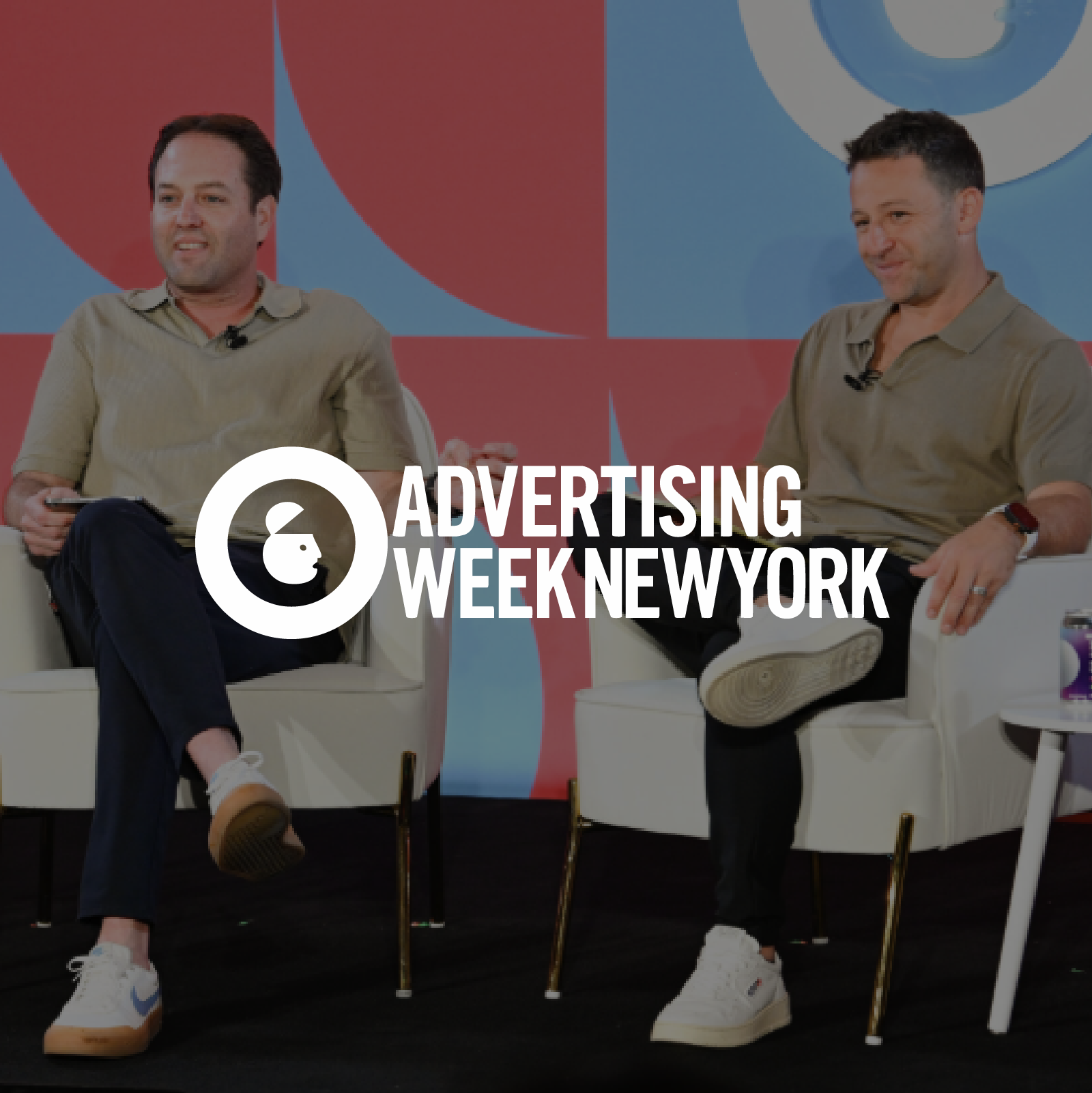
How Chime Scaled TV by Opting for Tech-First Experts Over Agencies
Revisit Chime’s Advertising Week session, where the team broke down how they reignited growth by treating TV as a modern, measurable channel that unites brand building with performance impact.
Read more
Tatari vs. Simulmedia: Which Platform Delivers Better TV Buying and Measurement Across Linear, CTV, and OLV in 2026
In 2026, Tatari and Simulmedia are two of the most recognized TV advertising platforms, each taking a distinct approach to convergent TV. Tatari emphasizes a convergent TV approach across Linear, CTV and online video, measurement-first performance, transparent pricing, and self-serve tools for advertisers that treat TV like a digital performance channel. Simulmedia focuses on scale, audience reach, and cross-channel optimization, leveraging its TV+ platform and Skybeam for CTV campaigns. This comparison outlines how each platform performs across channels supported, measurement and attribution, ease of use, cost transparency, and ROI potential, helping marketers choose the best partner for their goals.
Read more